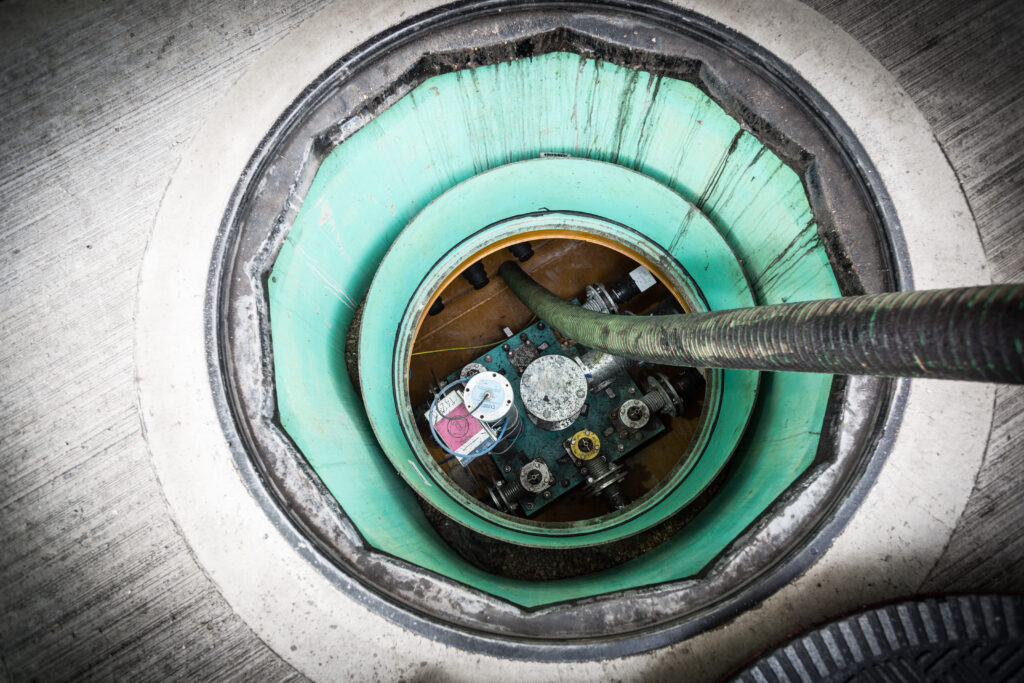
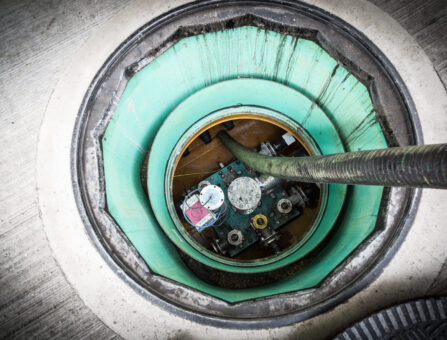
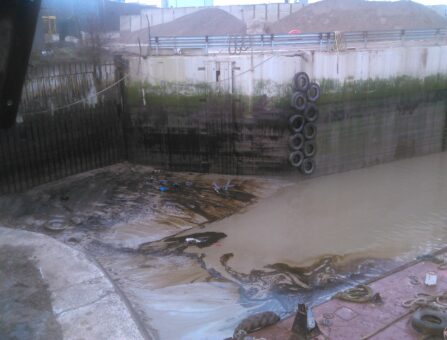
Designed for sites with fuel and oil interceptors, like forecourts, workshops, fleet depots, industrial yards and wash bays, our regular interceptor cleaning and emptying service helps prevent pollution risks, and meets environmental agency standards in compliance with ISO 14001.
From emptying and jetting to storing safe function where possible and flagging any defects, we provide end-to-end, nationwide support. Our team can ensure the correct routing of interceptor waste, providing full paperwork promptly after collection via our PDA system.
How Does Our Interceptor Emptying & Cleaning Service Work?
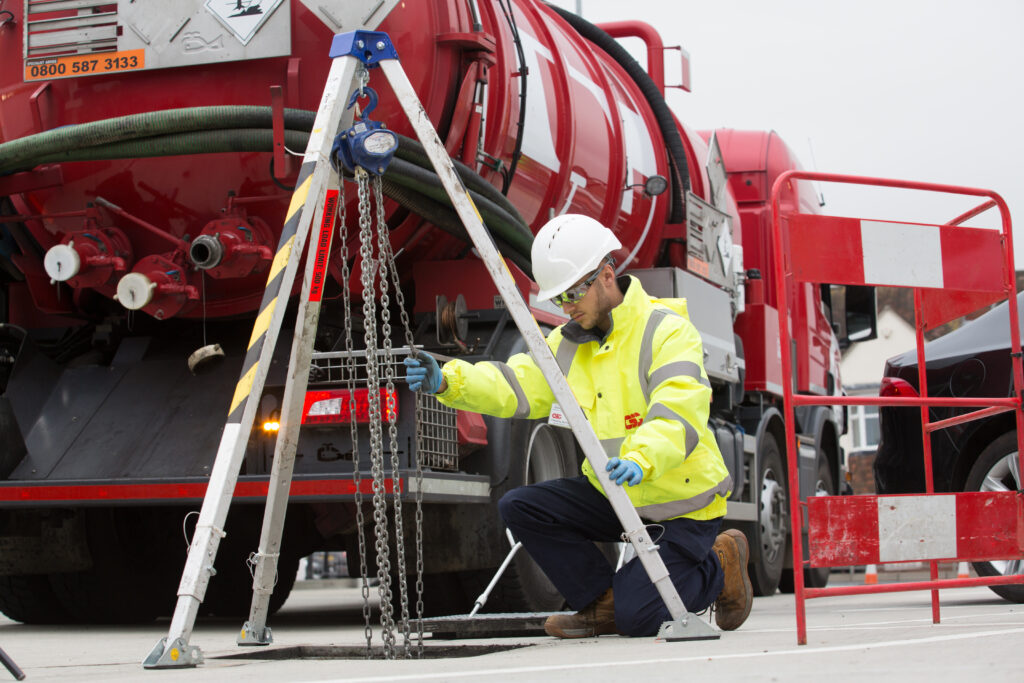
Whether you want to set up regular fuel and oil interceptor cleaning, or support an emergency call out, we prioritise safety and controlled working practices at every site.
Depending on your requirements, our additional interceptor services include repairs and maintenance, and even interceptor installation.
Nationwide Coverage
We operate strategically located transport depots across the UK
Full Interceptor Partner
From installation to maintenance and emergency call outs
Experienced Operatives
Trained to use specialised de-watering vehicles that separate silt and oil
Full Duty of Care
Get prompt access to all paperwork for a clear audit trail
Fuel and oil interceptors will usually be found in locations where vehicles or plant may leak fuel and oil onto the ground. We have high levels of experience working on commercial sites like:
Petrol Station Forecourts
Mitigate the risk of hydrocarbon spills washing into storm drains
Carparks & Depots
For cleaning leaked engine oil and toxic fluids from parked cars
Factories
Industrial sites often discharge heavy oils, grease and chemicals
Car & Truck Washes
For wastewater loaded with detergents, silt and oils
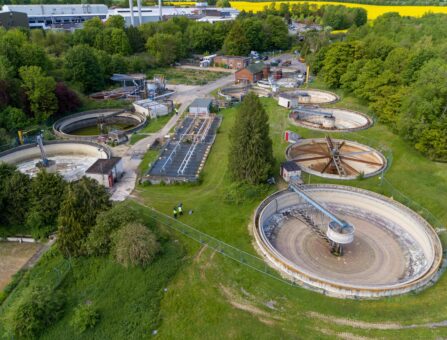
Interceptors typically collect oil, water, silt and other debris before these contaminants can enter the drainage network. When CSG empties and cleans an interceptor, the collected material is transported to an appropriate oil treatment plant.
At the facility, gravity separation allows the oil to rise above the water. The oil can then be recovered and sent for reprocessing where suitable, while the water is treated to reduce COD, metals and other contamination. Silt and solids are separated and assigned an appropriate treatment or disposal route.
Oil and water separated through gravity treatment
Suitable oil recovered and sent for reprocessing
Contaminated water treated through specialist processes
Silt and solids managed through an appropriate authorised route
Highly flammable fuel cannot be treated through our oil treatment plants and must be sent through an alternative approved disposal route.
Protect your equipment and keep the wider site in good condition with specialist maintenance and cleaning support.
Fuel & Oil Interceptor Maintenance
Managing a site with an interceptor? Combine regular emptying and cleaning with planned inspections, servicing and repairs to help prevent blockages, flooding and pollution while keeping your system working effectively.
Managing a petrol station or vehicle refuelling site? Combine interceptor maintenance with forecourt, gully and surface cleaning to keep the wider site clean, functional and professionally maintained.
Frequently Asked Questions About Fuel & Oil Interceptor Cleaning
Is interceptor cleaning the same as interceptor maintenance?
Not quite. Cleaning is one part of a more comprehensive maintenance program. In summary, cleaning is a one-off task of removing accumulated waste from the interceptor to keep it flowing as it should. Maintenance, on the other hand, is an ongoing, proactive strategy to ensure the system works safely and complies with environmental regulations. As well as cleaning, maintenance covers inspections, and services and repairs. You can find out all about our interceptor maintenance serices here.
Do you remove all the waste from the interceptor?
Yes. We’ll completely remove all hazardous and non-hazardous waste from your interceptor, including oily water, sludge, fuel and silt. We also jet-wash the tanks and drainage infrastructure before transporting of the waste correctly depending on its classification.
Do you jet the inlet and outlet pipework as well?
Yes. Jetting the inlet and outlet pipework is covered as part of our fuel and oil interceptor cleaning service. This is critical for reducing the risk of site flooding, environmental pollution, and keeping your site as safe and compliant as possible.
How often should an interceptor be cleaned?
Interceptor cleaning should be carried out at least every 6 months, with some sites requiring it more often. Here are the signs it’s time to empty and clean your interceptor:
Oil or silt reaches high levels
An alarm is triggered when the oil reaches a predefined level
Yes, we provide 24/7 emergency response services, which include interceptor cleaning and emptying, as well as hazardous waste removal. You can call our emergency hotline on 0800 587 3133.
Do we need to isolate the interceptor or stop site operations?
We’ll isolate the inlet/outlet to prevent fresh spills or runoff from entering the system while it’s being emptied, but you don’t need to necessarily stop site operations as we’ll use specialist vacuum tankers with on-site processing capabilities. For standard forecourts and car parks, operations can usually carry on as normal. However, if your site handles highly volatile chemicals, you may need to temporarily halt those activities while the manholes are open and the hoses are active. If you’re not sure, tell us about your site and we’ll provide specific advice.
Where does the interceptor waste go after collection?
We’ll transport your waste to one of our purpose-built treatment and recovery facilities located across the UK. Because this waste is classified as hazardous, it will undergo treatment at the facility to process and properly route the separated materials.
Can you dispose of/route the waste appropriately if it contains petrol/diesel/solvents?
Yes. We’re fully licensed to manage these complex waste streams, ensuring safe and compliant disposal, and we avoid sending waste to landfill wherever possible. Once your interceptor waste reaches our facilities, our chemists process the materials to recover oils and solvents, often directing non-recyclable residues into approved Energy from Waste (EfW) programs.
Can oil removed from an interceptor be recovered?
Yes, where the oil can be successfully separated and meets the relevant acceptance criteria, it can be sent for reprocessing into usable oil. Heavy contamination or mixing with unsuitable materials may prevent recovery. We assess the collected material and assign each separated fraction an appropriate treatment, recovery or disposal route.
What happens to the silt and solids removed from an interceptor?
Silt, grit and other solids are separated from the liquid waste and assessed according to their composition and contamination. They are then sent to an appropriate authorised treatment or disposal facility.
What happens if an interceptor contains highly flammable fuel?
Please tell us if fuel is known or suspected to have entered the interceptor. Highly flammable fuel cannot be processed through our oil treatment plants and must be assessed, collected and sent through a separate approved disposal route.
Get Started with a FREE Waste Management Audit
The easiest way to start improving your waste management is with a Free Waste Management Audit from CSG. Our team will assess your current waste streams, identify opportunities to reduce costs and make practical recommendations to improve how you manage your waste.
Tell us about your interceptor, site access and waste requirements, and our team will be in touch to discuss a suitable cleaning, collection and disposal solution.