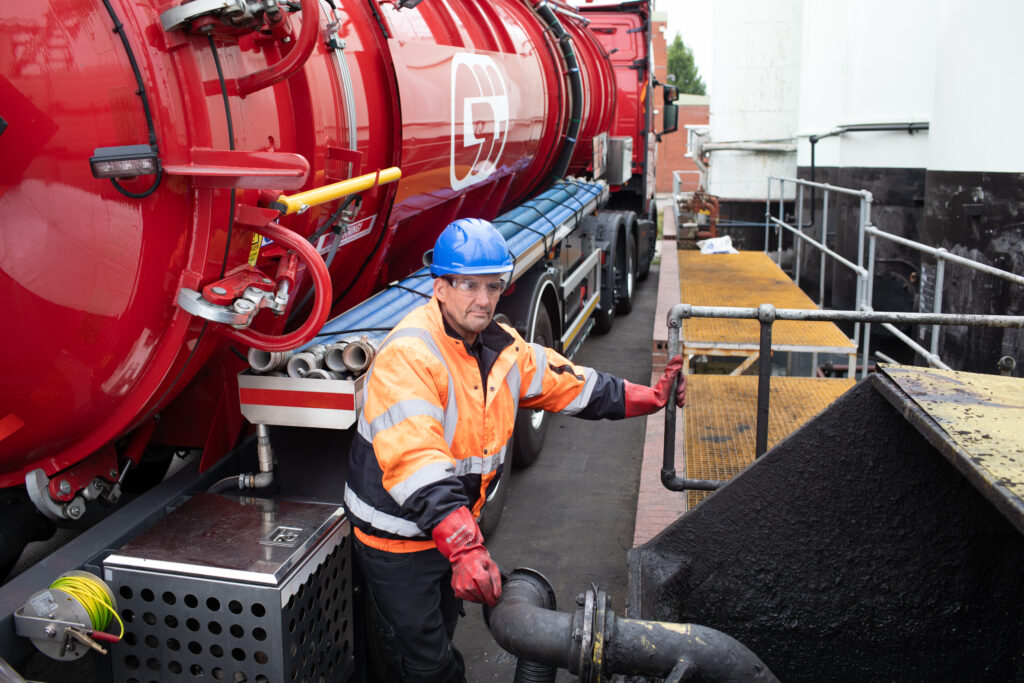
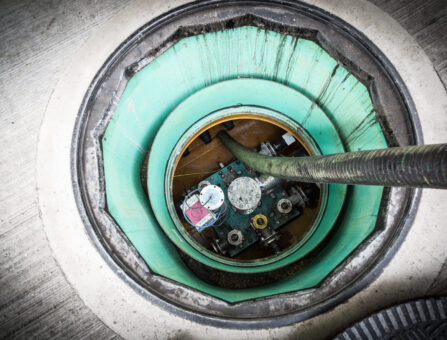
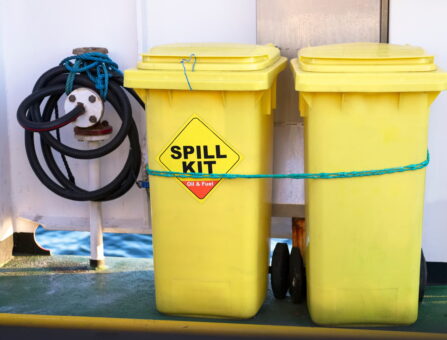
At CSG, we provide nationwide oily water disposal services for commercial and industrial organisations, helping businesses safely manage wastewater that’s been contaminated with oils, fuels and hydrocarbons.
Oily water can’t be treated in the same way normal wastewater can. Once it’s contaminated with oil or fuel residues, you need a waste carrier who can assess, transport and treat it using the correct waste management services. And our specialist team is on hand to help.
Our team manages the process from start to finish, working closely with your business to identify the waste profile, the most suitable treatment route, and ensure the waste is handled safely and compliantly.
With experience working across a wide range of industries, we’re more than just an oily water collection service. We design solutions that work around the realities of your operations.
Nationwide Collection
We support single- and multi-site businesses throughout the UK
Specialist Support & Advice
Get practical advice and support from experienced waste professionals
Practical Waste Assessment
We quote based on the waste information provided, and where required, can arrange sampling to confirm the most appropriate collection and disposal route
Clear Reporting
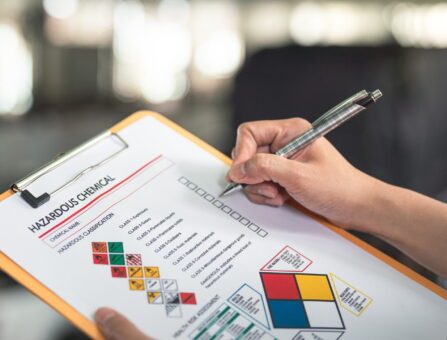
We provide full duty of care documentation and a clear audit trail
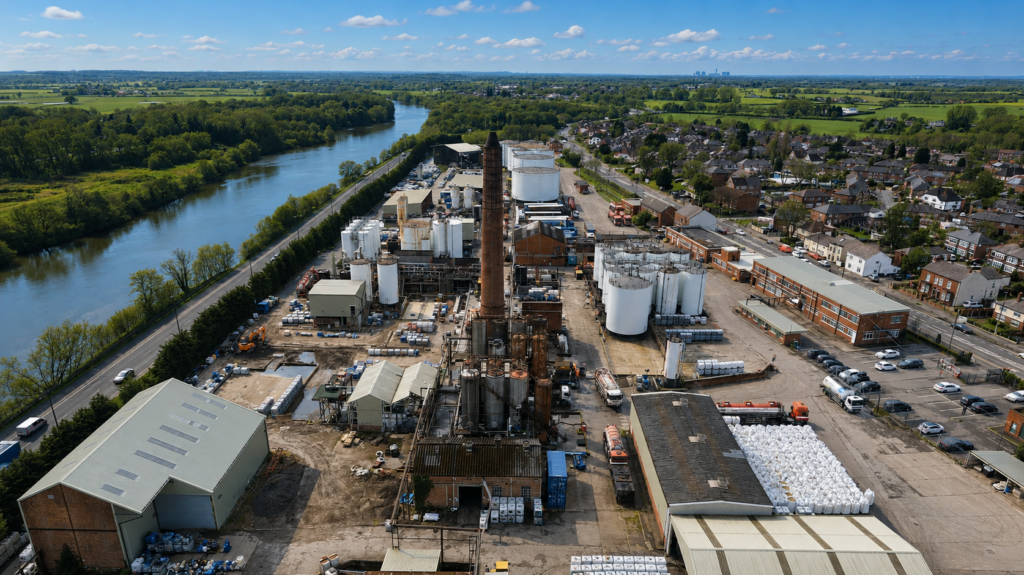
After collection, oily water is transported to one of our oil treatment plants. Our network of facilities across England supports oily-water collections throughout Great Britain.
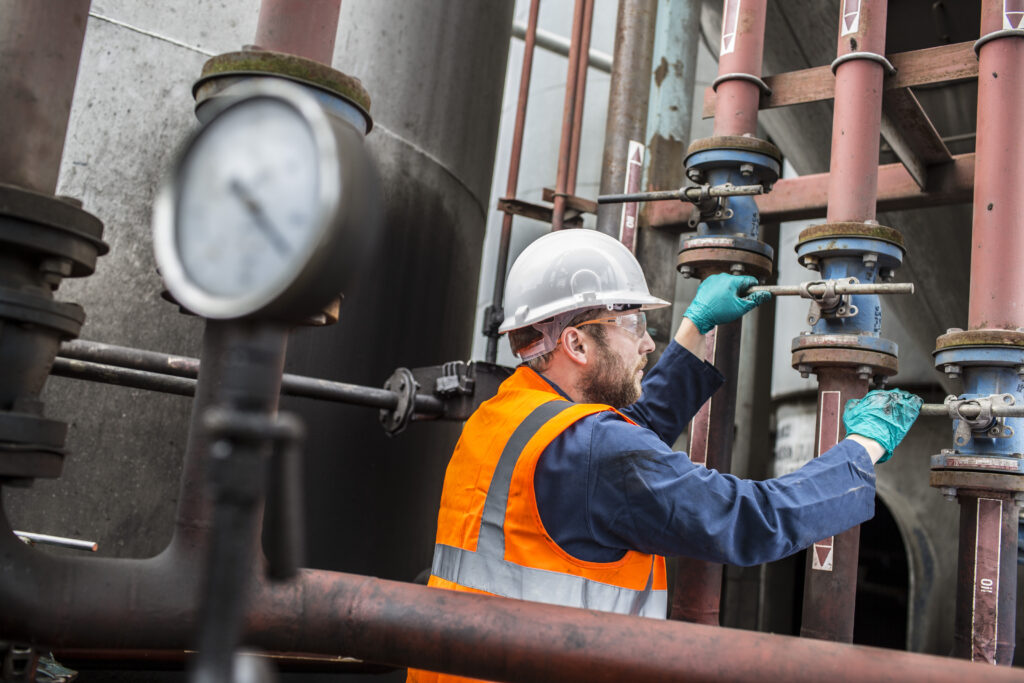
The mixture is placed into large gravity-separation tanks, where the lower-density oil rises above the water. The water phase is then drawn off and treated to reduce chemical oxygen demand (COD), remove metals and address other contaminants. Where suitable, the recovered oil is sent to specialist refineries for reprocessing into usable oil.
Oil and water separated through gravity treatment
Water treated to reduce COD, metals and other contamination
Suitable recovered oil sent for reprocessing
Clear documentation confirming the final treatment or recovery route
Frequently Asked Questions About Oily Water Disposal
What is oily water?
Oily water is the term used to describe wastewater that’s become contaminated with oils, fuels, hydrocarbons or oily residues – whether that’s through industrial, engineering or operational activities. Because the water has been contaminated, it needs specialist handling and treatment.
Is oily water considered hazardous waste?
In some cases, yes – depending on which contaminants are present within the waste stream. If you’re not sure what kinds of oily substances are present in your oily wastewater, we can help sample and assess this to classify the water.
Can you collect oily sludge as well as water?
Yes. Alongside oily water, we can also collect, dispose (or treat where possible) oily sludge, subject to assessment and acceptance.
Do you offer emergency collections for spills or flooding in bunds?
Yes, we can support urgent or emergency collections for contaminated bund water, spills or flooding situations depending on location and operational availability. Please contact our team with details of the site and waste involved so we can assess the most suitable response.
How do you dispose of oily water in the UK?
As oily water is classed as hazardous waste, you should never pour it down the drain. For businesses, labs and other organisations that regularly produce this type of waste, the best way to make sure everything is handled properly and efficiently is by hiring a registered waste carrier.
What if my oily water is contaminated with other chemicals or detergents?
Additional contamination can affect classification, treatment suitability and pricing. Where possible, keeping oily water separate from chemicals, solvents and incompatible wastes can help make sure we can route it and treat it efficiently.
Once we’ve assessed the waste profile, we can help you through the next steps.
What if the oily water contains diesel, petrol or strong solvent smells?
Fuel or solvent contamination can affect how the waste is classified, transported and treated.
Please provide us with as much information as possible about the waste composition to help us determine the safest and most suitable treatment route.
Is there a minimum collection quantity or minimum charge?
Minimum charges may apply depending on the waste type, contamination level, location and collection requirements. Due to the processing involved, we tend to be most cost-effective for commercial and industrial waste producers, rather than small domestic enquiries.
What details do you need for a quick quote?
To provide an accurate quotation, we’ll usually need:
Estimated quantities
Oil-to-water ratio if known
Solids or sludge content
Information about contamination
Storage method and packaging
Site location and access details
Collection urgency or frequency
If you have images or previous analysis results, please send these too as this can help us provide a more accurate quote.
Do you provide containers, tank swaps or temporary storage solutions?
Where required, we may be able to provide suitable containers, storage equipment or temporary tank solutions depending on the waste stream and site requirements. Just let us know in advance!
Can oil be recovered from every oily-water load?
Recovery depends on the type and quantity of oil present and whether it has been contaminated by other substances. We assess the waste before treatment and prioritise oil recovery where the separated material meets the receiving refinery’s acceptance requirements.
What is COD, and why does it need to be reduced?
Chemical oxygen demand, or COD, is a measure used to indicate the level of organic contamination within water. Water with a high COD can affect treatment systems and the environment, so the separated water phase is treated to reduce COD and other contaminants before its authorised onward route.
Will I receive evidence that the oil has been recovered?
CSG provides the appropriate waste documentation recording the treatment or recovery route used. Where the separated oil is successfully recovered and sent for reprocessing, the applicable recovery information can be included within your audit trail.
Get Started with a FREE Waste Management Audit
The easiest way to start improving your waste management is with a Free Waste Management Audit from CSG. Our team will assess your current waste streams, identify opportunities to reduce costs and make practical recommendations to improve how you manage your waste.
Whether you have oily water, contaminated wash water or oil-impacted sludge, our team can help identify the right collection and treatment route for your business.