How Do Septic Systems Work?

Off-mains sewage systems collect, store, transfer or treat wastewater from homes and businesses that are not connected to the public sewer. These systems include septic tanks, cesspits, sewage treatment plants and pump stations, and are commonly found in rural locations, villages and isolated properties across the UK. Understanding how each system works and how it should be maintained can help prevent breakdowns and support compliance with the environmental requirements that apply in your area.

We provide reliable septic tank services to homes and businesses across the UK, helping customers stay compliant, avoid breakdowns and keep their systems running smoothly.

90+

Years’ experience

in off-mains drainage and sewage systems.

Learn More About Septic Systems

What is a Septic Tank?

What is a Septic Tank?

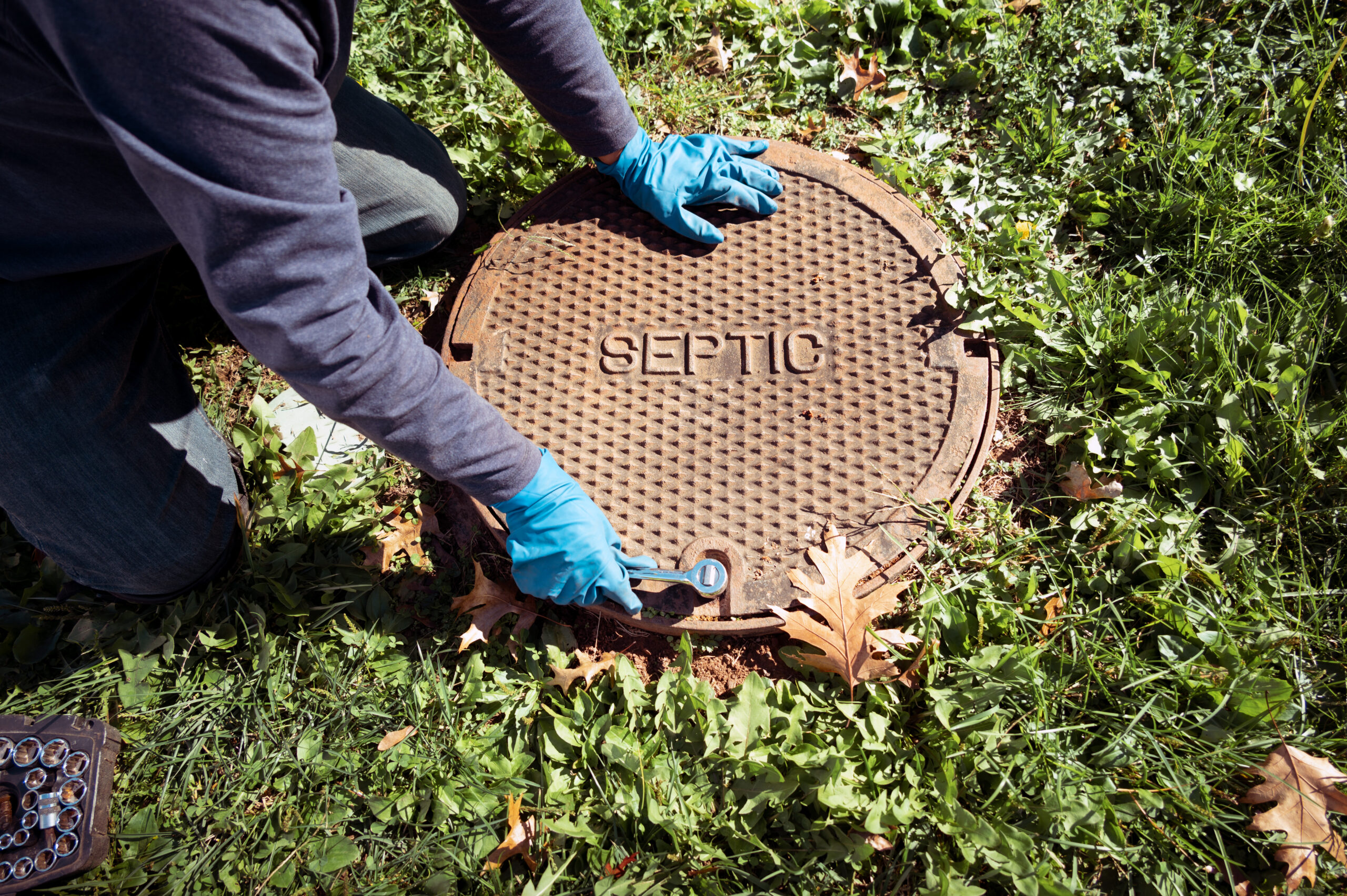
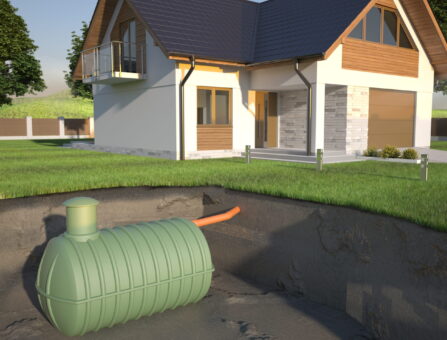
A septic tank is an underground container used to store and treat sewage from your property. It works by collecting and partially treating wastewater before safely discharging it into a drainage field (soakaway).

What is a Cesspit?

What is a Cesspit?

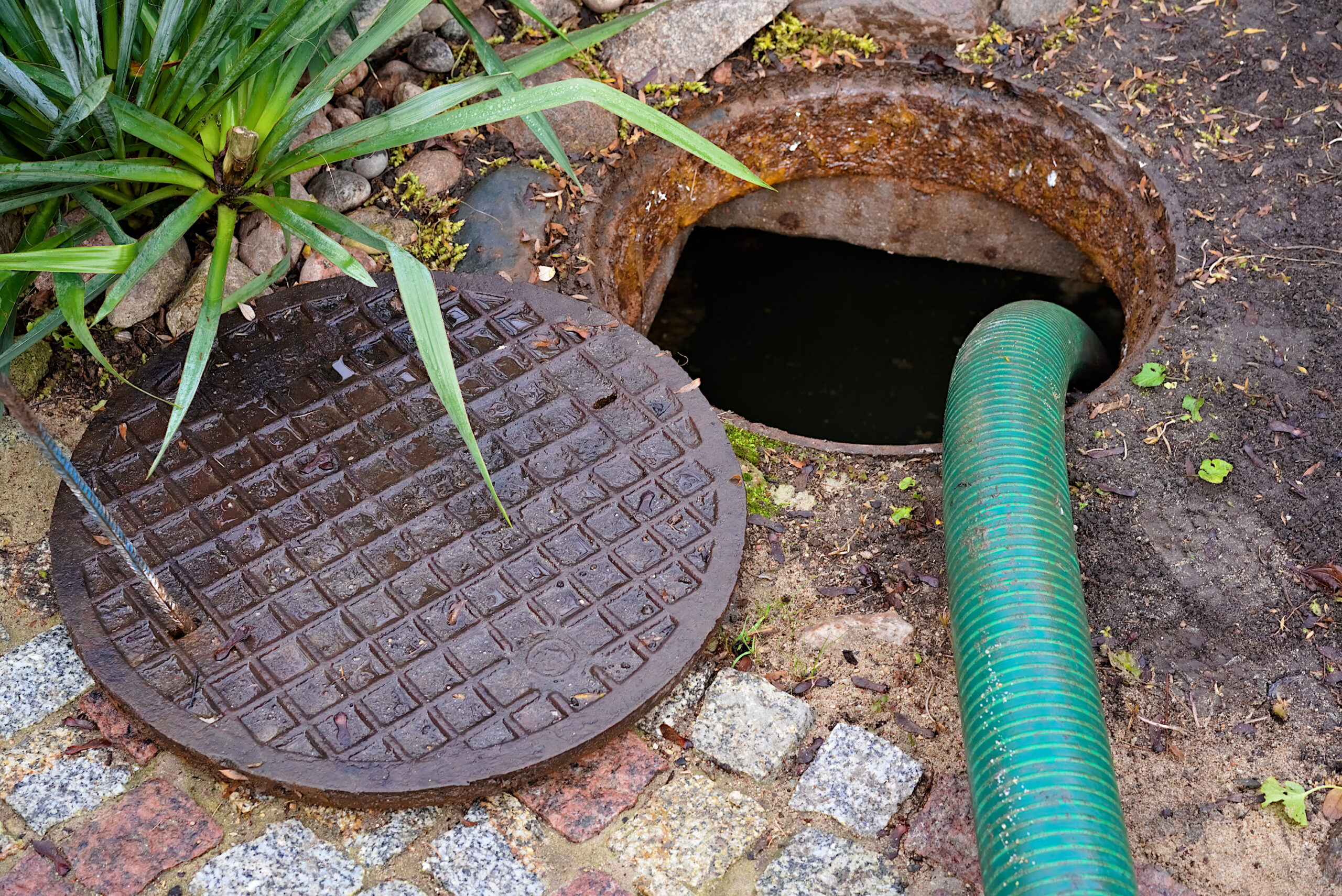
A cesspit is used to collect and store wastewater and sewage. Unlike a sewage treatment plant or septic tank, a cesspit doesn’t process the waste. Instead, the wastewater is collected by a licensed waste carrier,…

What is a Sewage Treatment Plant?

What is a Sewage Treatment Plant?

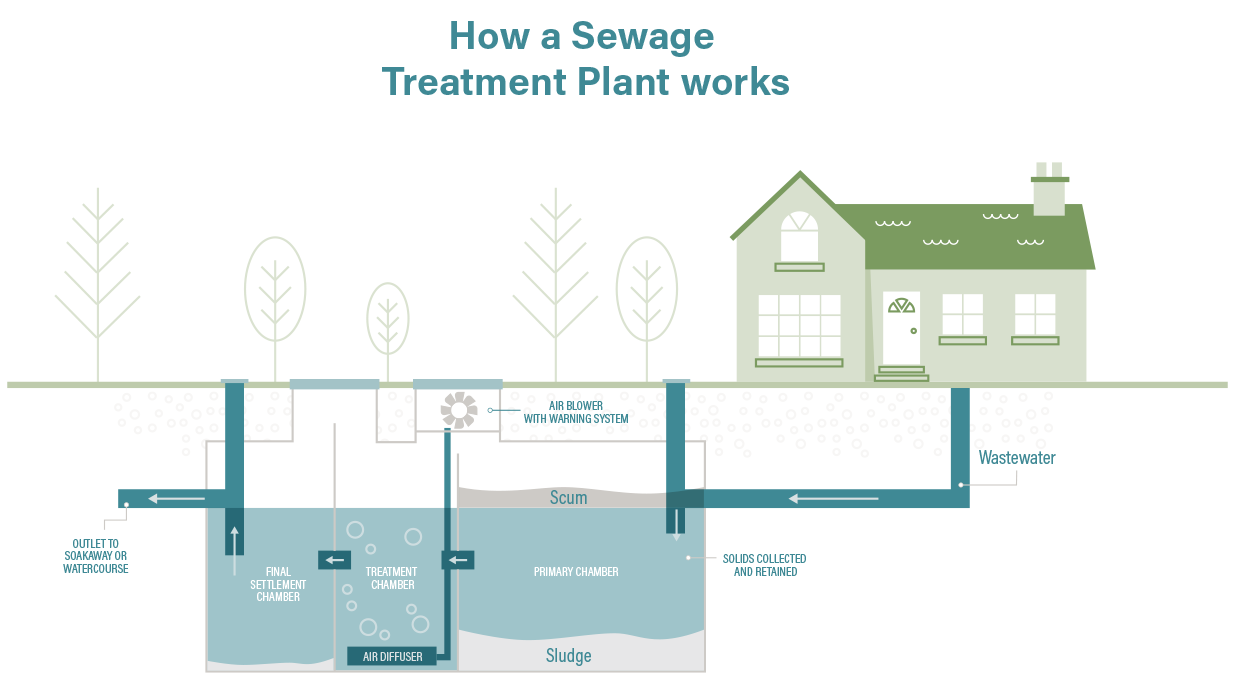
A sewage treatment plant (STP) is a compact, self-contained system that treats wastewater and sewage. Compared to septic tanks, they have an extra treatment stage that helps further break down solids to produce a non-polluting…

What is a Pump Station?

What is a Pump Station?

A sewage treatment plant (STP) is a compact, self-contained system that treats wastewater and sewage. Compared to septic tanks, they have an extra treatment stage that helps further break down solids to produce a non-polluting…

What is a Sewage Treatment Plant?

A sewage treatment plant (STP) is a compact, self-contained system that treats wastewater and sewage. Compared with a septic tank, it includes an additional biological treatment stage that uses oxygen and naturally occurring aerobic bacteria to break down waste and produce a cleaner treated effluent. Different plant designs introduce oxygen in different ways, including air blowers and rotating biological discs. This can make a sewage treatment plant suitable where a higher level of treatment is required, subject to the site conditions and applicable environmental requirements.

What is a Septic Tank?

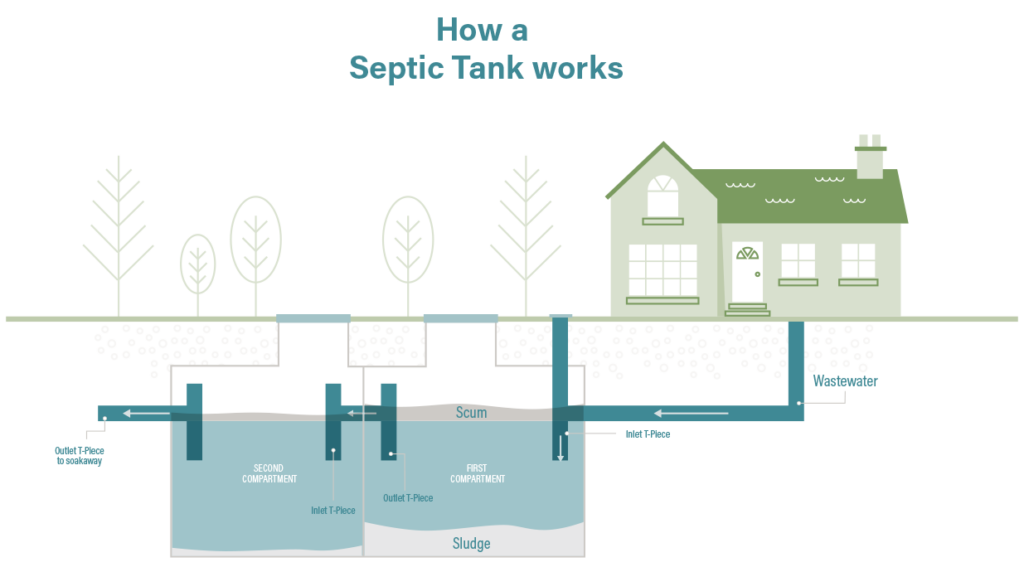
A septic tank is an underground system that collects and partially treats sewage and wastewater from your property.Solids settle inside the tank, while liquid effluent passes to a correctly designed drainage field, where further treatment takes place naturally within the soil.

Unlike a sewage treatment plant, a septic tank does not use an active aerobic treatment process and should not discharge directly into a watercourse. It relies on a correctly designed and maintained drainage field to safely disperse the treated effluent.
Diagram showing how a Septic Tank Works
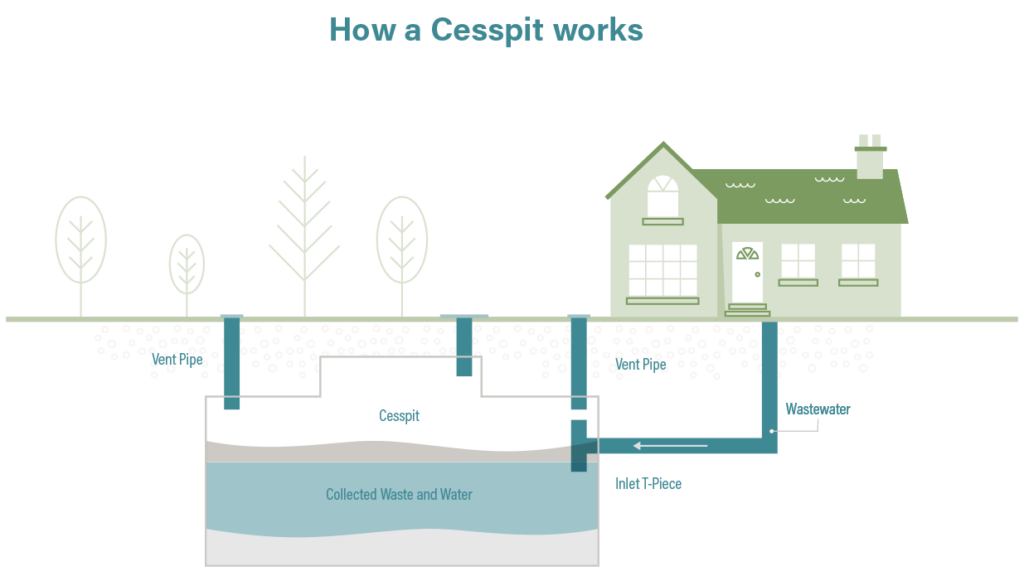
Diagram showing how Cesspits Works

What is a Cesspit?

A cesspit is a sealed underground tank used to collect and store wastewater and sewage from your property. Unlike a septic tank or sewage treatment plant, a cesspit does not treat the waste or discharge it into the ground or a watercourse.

Because the waste is stored rather than treated, cesspits need to be emptied regularly by a licensed waste carrier, such as CSG, to help prevent overflows, odours and potential environmental issues.

What Is a Pump Station?

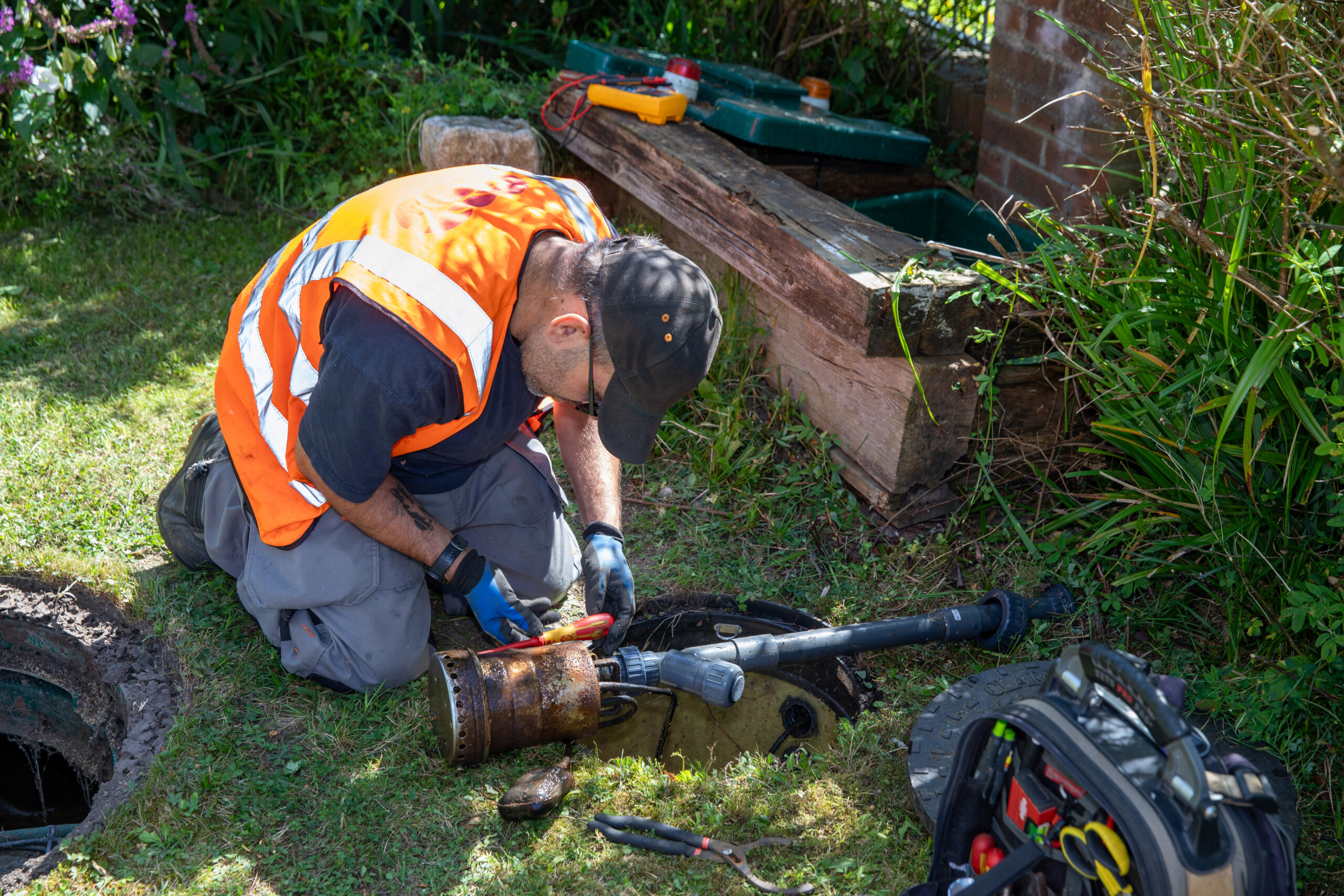
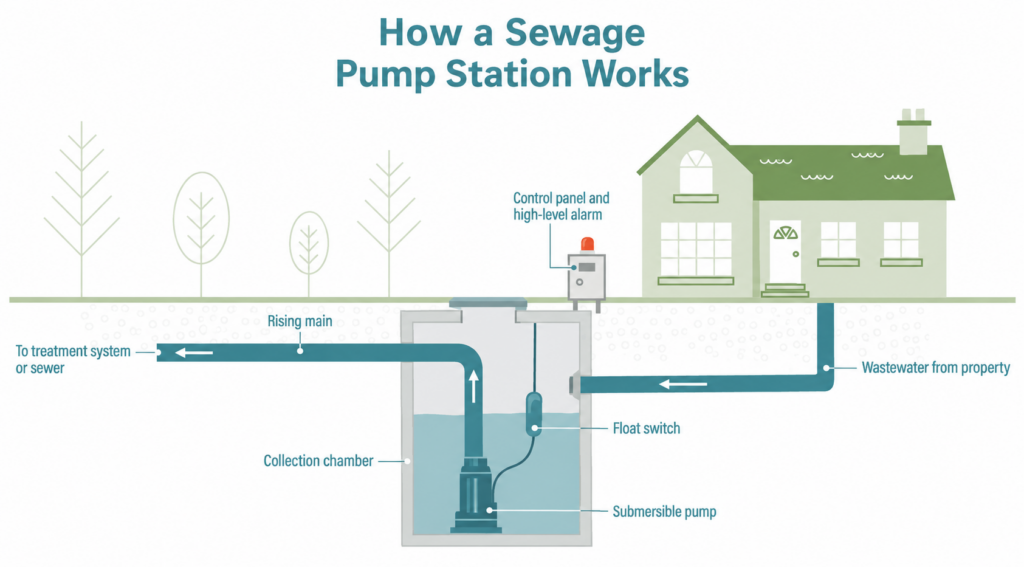
A pump station collects wastewater in a chamber and uses one or more pumps to move it when gravity alone cannot carry it to the next part of the drainage system. It may transfer sewage to a septic tank, sewage treatment plant, mains sewer or another suitable point within the system.

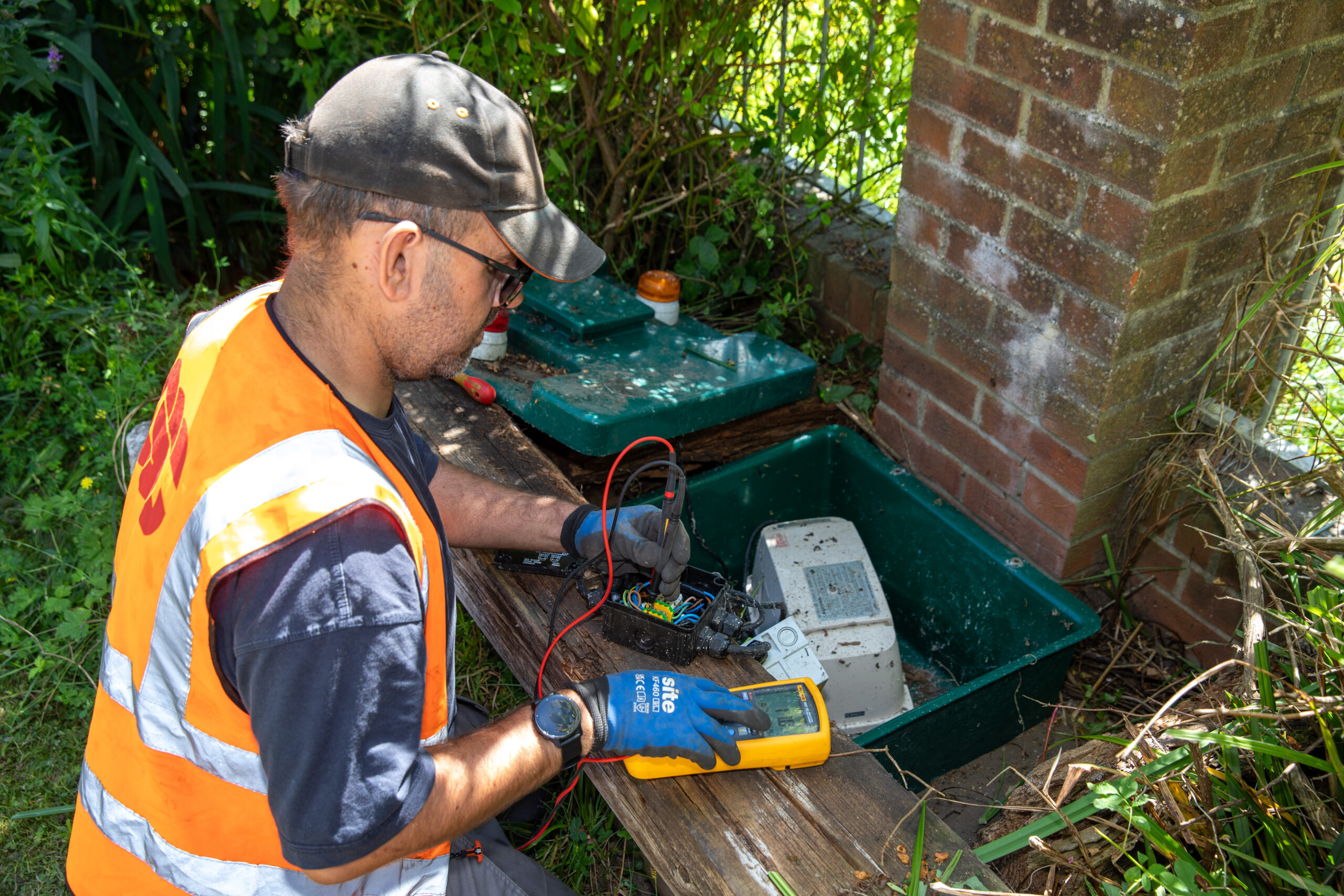
Unlike a septic tank or sewage treatment plant, a pump station does not treat wastewater. Its pumps, level controls and alarms require regular inspection and servicing to help reduce the risk of blockages, breakdowns, overflows or sewage backing up into the property.

Septic Tank resources

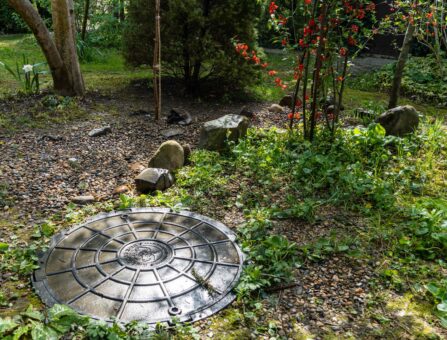
Septic tank friendly landscaping: Enhancing your system’s surroundings
CSG’s guide to buying a house with a septic tank
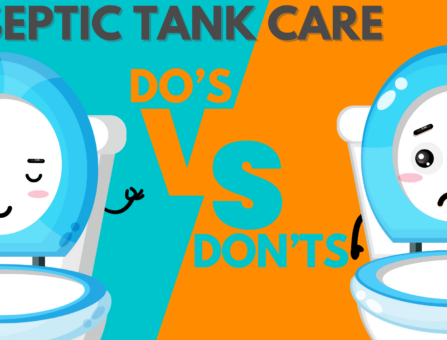
Septic Tank Care – The Do’s & Don’ts
Why Septic Tank Maintenance Matters for the Environment
The dirty truth: how sewage pollution drains the economy
How Septic Tank Maintenance Protects Your Local Waterways
CSG technical expert celebrates three decades of service
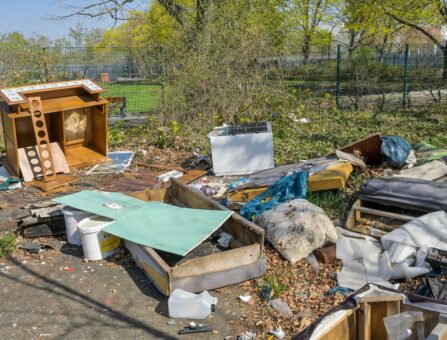
Hazardous waste makes up 35% of Winchester fly-tips
Charity’s European cycle challenge boosted by firm’s donation
Tankering for West Kent Housing Association
Tankering for Selwood Housing
Tanker Support for The Goodwood Estate