
What is a Cesspit?
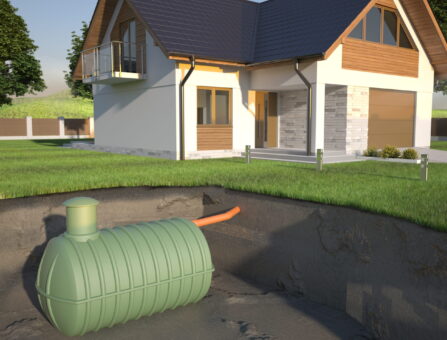
A cesspit (also known as a cesspool) is a sealed underground tank used to collect and store sewage from properties that are not connected to the mains sewer system.
Unlike a septic tank or sewage treatment plant, a cesspit does not treat wastewater. Instead, it simply stores the waste until it can be removed by a licensed waste carrier, like CSG.
Cesspits are typically found in rural homes, older properties and locations where drainage fields are not suitable.
Home » Off Mains Drainage » How Do Septic Systems Work? » What is a Cesspit?
How Does a Cesspit Work?
A cesspit is the simplest form of off-mains drainage system.
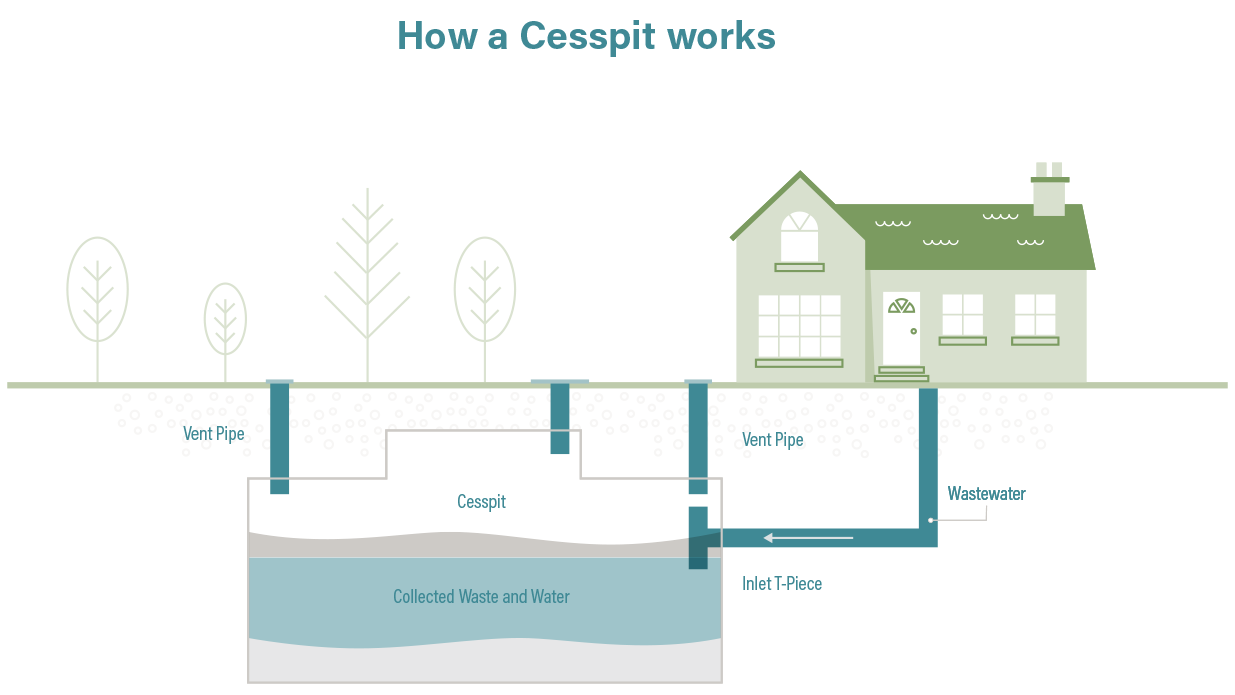
1. Wastewater Enters the Tank
All wastewater from toilets, sinks, showers and appliances flows directly into the underground tank.
2. Waste Is Stored
The tank is fully sealed and watertight. There is no outlet pipe, drainage field or treatment process.
Everything that enters the cesspit remains there until it is emptied.
3. Regular Emptying Is Required
Because the tank does not discharge or treat wastewater, it must be emptied frequently – often much more regularly than a septic tank.
Failure to empty a cesspit on time can result in:
- Overflows
- Strong odours
- Environmental contamination
- Property damage
When Is a Cesspit Needed?
A cesspit may be used where a property is not connected to the mains sewer and there is no suitable or permitted way to discharge wastewater into the surrounding environment.
Unlike a septic tank or sewage treatment plant, a cesspit does not treat or discharge wastewater. It is a completely sealed storage tank that holds everything entering the drainage system until it is collected by a licensed waste carrier.
A cesspit may be considered where:
- The ground is unsuitable for a drainage field
- There is insufficient space for a treatment and discharge system
- Local site conditions prevent a suitable discharge
- The property is used infrequently or produces a relatively small wastewater volume
- A fully sealed system is required to protect the surrounding environment
Because all wastewater must be collected and removed, the tank must be correctly sized and positioned so that it can be emptied safely. Owners should also consider the frequency and ongoing cost of collections before choosing a cesspit.
Why Do Cesspits Need Emptying?
A cesspit has no outlet and provides no treatment. Every litre of wastewater entering the tank remains there until it is removed.
This means cesspits generally require much more frequent emptying than septic tanks. The required schedule depends on the tank capacity, number of people using the property and the amount of water being used.
Allowing a cesspit to become too full can result in:
- Sewage overflowing around the access cover
- Wastewater backing up into the property
- Strong and persistent odours
- Damage to the tank or connecting drainage
- Contamination of the surrounding ground
- An urgent and potentially disruptive emergency collection
Monitoring usage and arranging planned emptying helps prevent overflows and provides greater control over collection costs. The access cover should also be kept clear so the tank can be reached safely when required.
CSG’s Sewage Treatment Plants Top Tips
- Ensure the system is emptied frequently
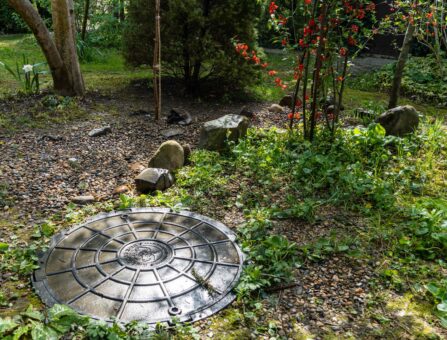
- Don’t allow the area around the manhole cover to become overgrown or obscured in order to allow easy access for clearances
- Don’t allow flammable or hazardous liquids to enter the system
Frequently Asked Questions
What’s the Difference Between a Cesspit and a Septic Tank?
While a septic tank treats waste by separating solids and liquids, cesspits only store the waste ready for collection – there is no treatment process. This means that a cesspit will generally need to be emptied more frequently than a septic tank, which can be emptied annually. Cesspits also don’t have an outlet; a septic tank, on the other hand, can be discharged to a drainage field.
How Often Does a Cesspit Need Emptying?
Cesspits will usually require emptying every 4-8 weeks depending on the tank size and number of occupants at the property. Because they only store waste, cesspits tend to fill up much faster than other systems. Making sure your cesspit is regularly emptied is essential to avoid costly emergency callouts and environmental risks.
Why Would a Property Have a Cesspit Rather Than a Septic Tank?
Cesspits are usually installed when:
- A drainage field cannot be installed (e.g. poor soil conditions)
- The property is in close proximity to watercourses
- There is limited space available
- Planning or environmental constraints prevent other systems
However, due to high maintenance costs, many property owners consider upgrading to a septic tank or sewage treatment plant where possible.
What Signs Should I Look Out for If My Cesspit Needs Urgent Attention?
If there are sewage smells near the tank, you have slow draining toilets or sinks, the high-level alarm is activated, there’s pooling around the tank, or waste backing up into the property, contact a specialist immediately. Because cesspits have no outlet, problems can escalate quickly if not addressed.
How Do I Maintain My Cesspit?
Cesspits tend to be higher maintenance than other types of off-mains sewage collections as they do not treat or discharge the waste waster. Essential maintenance includes:
- Frequent emptying – every 4-8 weeks, depending on tank size and water usage
- Monitoring fill levels – if your system has a high-level alarm, test this regularly
- Checking for odours or slow drains – Strong smells, gurgling pipework or slow-draining toilets can indicate the tank is nearing capacity
- Reducing water usage – lowering water consumption can significantly extend the time between emptying
- Protecting the tank area – avoid driving or placing heavy loads over the cesspit to avoid costly structural damage
You should also avoid putting wet wipes, fats, oils and grease, medicines, or large quantities of bleach or cleaning agents into your cesspit.
The safest way to avoid emergency callouts is a scheduled emptying plan with a professional provider – here’s how we can help.
What UK Regulations Should My Cesspit or Cesspool Meet?
In the UK, cesspits are regulated to prevent pollution and protect public health.
Property owners are legally responsible for ensuring their cesspit:
- Is fully watertight
- Does not leak or overflow
- Is regularly emptied by a licensed waste carrier
- Does not cause pollution to land or watercourses
Unlike septic tanks and sewage treatment plants, cesspits do not fall under discharge regulations because they have no outlet. However, they must still comply with environmental protection legislation.
If a cesspit leaks or overflows, local authorities or the Environment Agency may require immediate corrective action, which can include repairs or system replacement.
Maintaining accurate service records and ensuring regular emptying helps demonstrate compliance.
What Information Does CSG Need to Provide a Cesspool Emptying Quote?
To provide an accurate quote, we’ll need your address, property type and number of occupants, estimated tank size, date of last emptying, and access information. If there are any known issues, like a history or overflows or strong odours, please let us know.
If you’re not sure on any of these details, our team can advise and guide you through the process.
Related Guides: Understanding Different Sewage Systems

Arrange Regular Emptying for Your Cesspit
Speak to our team to arrange regular emptying to keep your system working as it should.
Related Off Mains Services
Prevent overflows and keep your system running smoothly with reliable nationwide emptying for septic tanks, cesspits and sewage treatment plants.
Find Out More →
Sewage Treatment Plant, Cesspit & Septic Tank Emptying


Stay on top of essential emptying with scheduled collections, helpful reminders and discounted rates through our free-to-join regular emptying scheme.
Find Out More →
Regular Septic System Emptying Scheme
Reduce breakdown risks with nationwide servicing, preventative maintenance and repairs from British Water Accredited engineers supporting all makes and models.
Find Out More →
Sewage Treatment Plant & Pump Station Servicing
Keep your treatment plant or pump station working reliably with scheduled servicing, digital reports and preferential rates through our free-to-join maintenance scheme.
Find Out More →
Regular Septic System Maintenance Scheme