
Fuel Polishing Services
Stored fuel doesn't stay in perfect condition forever. Over time, contamination can build up inside fuel tanks, including water, sludge, sediment and microbial growth, all of which can affect fuel quality and increase the risk of equipment problems when the fuel is eventually used.
CSG provides fuel polishing services for commercial and industrial organisations that rely on stored diesel, biodiesel and heating oil to keep critical equipment operating reliably. By removing contamination and restoring fuel quality, fuel polishing can help reduce the risk of breakdowns, costly repairs and unexpected downtime.
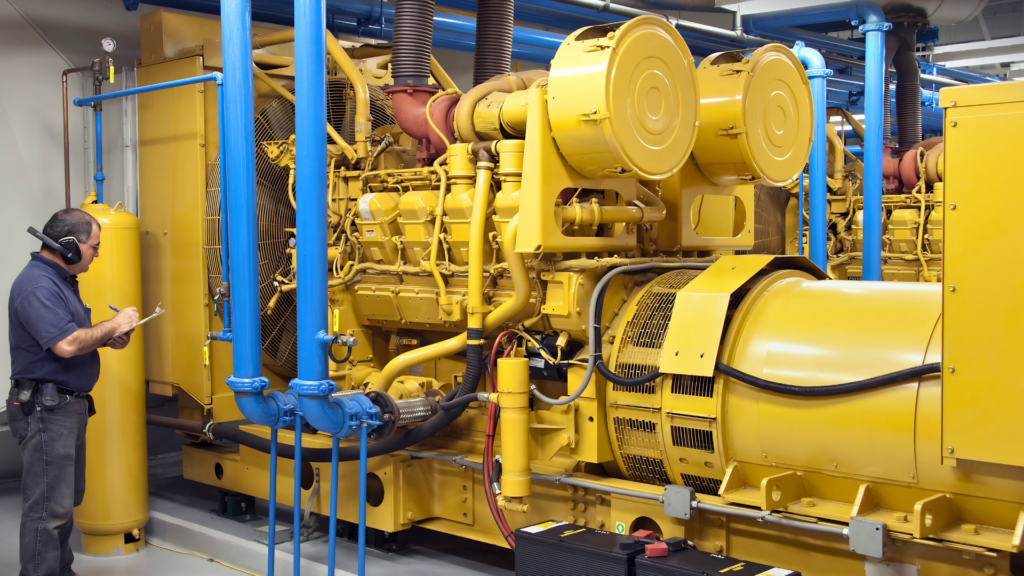
We help organisations protect stored fuel quality and reduce the risk of contamination-related equipment failures.
90+
Years
supporting industrial facilities and critical infrastructure
Home » Industrial Waste » Industrial Cleaning Services » Fuel Polishing Services
How Does Our Fuel Polishing System Work?
Fuel contamination often develops gradually, making it difficult to spot in the early stages. Water ingress, sediment build-up and microbial contamination can all affect stored fuel long before obvious warning signs appear.
Our teams can assess your fuel storage system, arrange testing where required and recommend the most appropriate solution.

Fuel Sampling & Testing
Identifying contamination issues before they start affecting equipment performance
Fuel Polishing
Removal of contaminants including water, sediment and sludge to help restore fuel quality
Diesel Bug Assessment
Investigation of microbial contamination within stored diesel and biodiesel systems
Compliant Waste Removal
Waste materials can be managed through compliant treatment, recovery or disposal routes where required
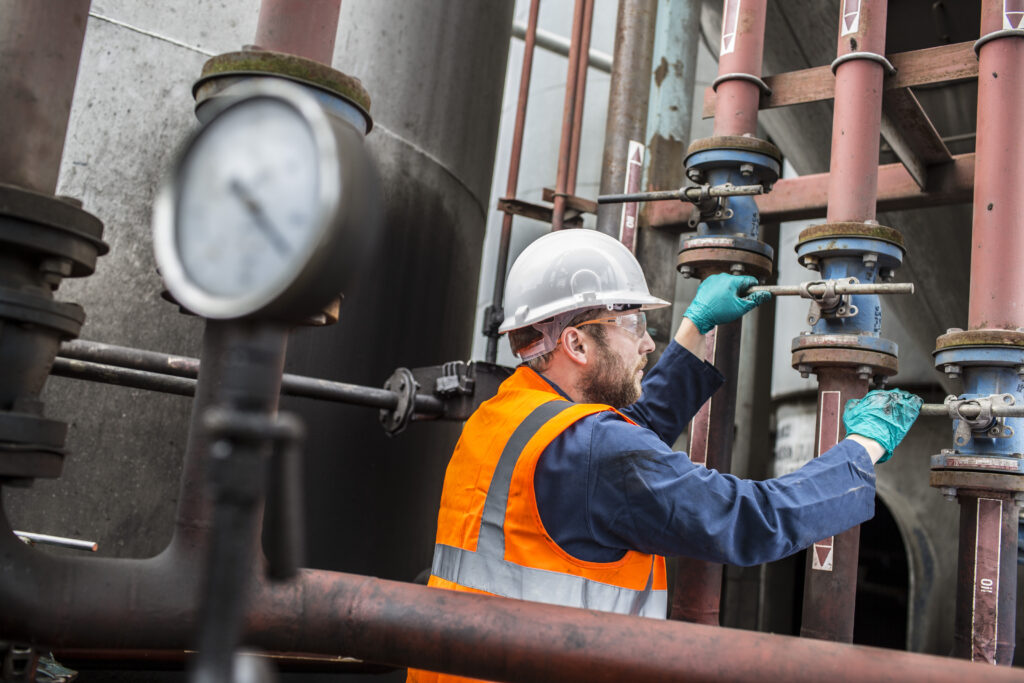
What You Can Expect From Our Fuel Polishing Service
Fuel polishing can help recover valuable oils and fuels that may otherwise need to be disposed of and replaced. By removing water, sediment and fine particles, our service can help improve oil quality, reduce waste, lower replacement costs and minimise operational disruption. Depending on the material, contamination level and site requirements, we can support smaller-scale dewatering through to larger industrial oil polishing projects.
- Support for diesel, biodiesel, heating oil and specialist industrial oils
- Compact towable rig designed to minimise disruption on site
- Advice on fuel storage best practice and contamination prevention
- Water, sediment and fine particle removal, with filtration possible down to 1 micron
In some cases, fuel polishing can provide a cost-effective alternative to draining, disposing of and replacing contaminated oil. By removing water, sediment and other contaminants, we can help recover usable material, reduce disposal volumes and support longer-term performance when combined with tank cleaning or desludging where required.
OUR CREDENTIALS
Built On Recognised Standards
Quality, environmental, and safety credentials supporting our Waste Tanker Services.
DNV-Certified
Quality, Environmental & Health and Safety

SAFE Contractor
SSIP Accredited

Achilles UVDB
Category B2 Assessment
CHAS
Accredited

JOSCAR
Registered Supplier

CIWM
Affiliated Member
Who We Support
Our fuel polishing services support organisations across a wide range of sectors, including...
Manufacturing & Industrial
Protecting standby generators, operational equipment and critical infrastructure
Healthcare & Critical Infrastructure
Supporting sites where reliable backup power systems are essential
Data Centres
Helping maintain fuel quality for emergency power generation systems
Transport, Logistics & Fleet
Supporting organisations managing larger fuel storage systems
We’ll help you identify the safest disposal method. Speak with our team
Related Blogs & Guides




Frequently Asked Questions About Fuel Polishing
What fuels can you polish?
We can support a range of stored fuels and oils, subject to assessment, including:
- Diesel
- Biodiesel
- heating oil
- generator fuel stocks
- other commercial or industrial oil storage systems.
Where suitable, we may also be able to polish good-quality oils that have been contaminated with water, sediment or fine particles.
How do I know if my fuel is contaminated?
Fuel contamination isn’t always obvious, particularly in the early stages.
Common signs can include:
- Water present in the tank
- Increased filter changes
- Poor equipment performance
- Blocked fuel lines
- Dark or stringy material within the fuel
- Unusual sediment build-up
Sampling and testing can often identify issues before visible signs develop.
What are the benefits of fuel polishing?
Fuel polishing can help improve fuel quality by removing contaminants such as water, sediment and fine particles. Where the fuel or oil is recoverable, it may help reduce waste, avoid unnecessary disposal and replacement costs, protect equipment and minimise operational disruption.
How often should fuel polishing be carried out?
The right frequency depends on factors such as fuel age, storage conditions, tank design and operational requirements.
Sites relying on critical backup systems often choose to include fuel testing and polishing as part of a planned maintenance programme.
What is the diesel bug and how can I tell if my fuel is contaminated?
The Diesel bug is a term used to describe microbial contamination that develops in stored fuel systems.
Microorganisms can grow where water is present within the tank, forming sludge and biofilm that can block filters, fuel lines and equipment components.
What causes the diesel bug in storage tanks?
The diesel bug typically develops when water enters a fuel storage system.
The water creates an environment where microorganisms can grow and multiply, particularly in tanks where fuel remains stored for extended periods.
How does fuel polishing help reduce the risk of the diesel bug?
Fuel polishing can help remove water, sludge and microbial contamination from stored fuel systems. As water is one of the key conditions that allows diesel bug to develop, removing contamination and improving fuel quality can help reduce the risk of ongoing fuel system issues.
Do you need to drain the storage tank for fuel to be polished?
Not necessarily.
The most appropriate approach depends on the condition of the fuel or oil, the tank configuration, access requirements and the level of contamination present. Our team can assess the system and recommend the most suitable next steps, which may include polishing, dewatering, tank cleaning or removal of contaminated material.
How often should I check my fuel storage tank for contamination?
The frequency will depend on the importance of the fuel system, storage conditions and how long the fuel is typically stored.
For critical systems such as standby generators, periodic testing can help identify issues before they affect performance.
How do you treat or manage the diesel bug once detected?
The most appropriate solution depends on the extent of the contamination and the condition of the fuel system.
This may involve fuel polishing, removal of contaminated material, tank cleaning or other corrective measures depending on the findings of the assessment.
Is this service suitable for domestic fuel tanks?
Our fuel polishing services are designed primarily for commercial and industrial fuel storage systems.
Because of the specialist equipment, operational requirements and minimum charges involved, the service is generally not intended for small domestic fuel tanks or residential heating oil systems.
Can fuel polishing remove water from oil or fuel?
Yes, subject to assessment. Fuel polishing can often help remove water contamination from otherwise usable oils and fuels, helping improve quality and reduce the need for full disposal and replacement.
How fine is the filtration process?
Depending on the quality of the oil or fuel, the level of contamination and the customer’s requirements, filtration may be possible down to 1 micron.
Get Started with a FREE Waste Management Audit
The easiest way to start improving your waste management is with a Free Waste Management Audit from CSG. Our team will assess your current waste streams, identify opportunities to reduce costs and make practical recommendations to improve how you manage your waste.

Safety Built Into Every Service
See how CSG protect people, sites and the environment
Related Industrial Cleaning Services
Prepare tanks safely for inspection, maintenance, product changeovers or decommissioning with nationwide specialist cleaning, residue removal and compliant waste management.
Find Out More →
Industrial Tank Cleaning


Simplify complex closures and redevelopment projects with fully managed site decommissioning, industrial cleaning, waste removal, compliance documentation and coordinated project support.
Find Out More →
Site Decommissioning
Discuss Your Fuel Polishing Requirements
Tell us about your fuel, oil storage system or contamination concerns, and our team will be in touch to discuss the most suitable next steps.